
UI/UX Design for AI products.Designing human–AI experiences built for clarity, trust, and innovation.
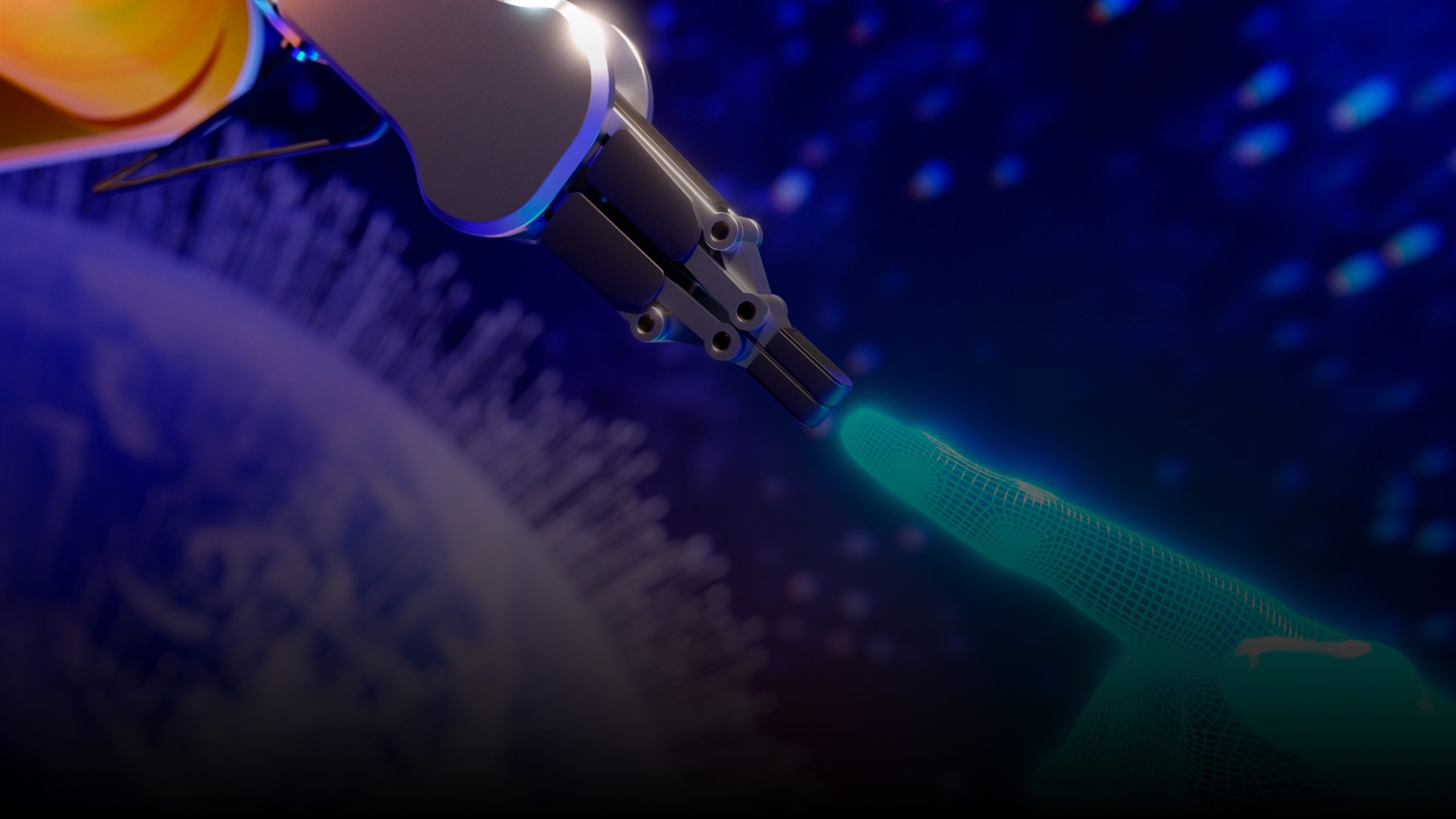
Disrupting
intelligence
AI products face a unique challenge: the technology is extraordinary, but users won’t trust what they don’t understand. We design the layer between the model and the human where clarity becomes competitive advantage.
We shape strong digital experiences for AI-powered products.
Building User Trust in Systems They Can't See
Users can't verify AI decisions the way they verify a calculator. We design transparency layers, confidence signals, and explainability patterns that make trust earnable not assumed.
Making Complex Model Outputs Legible and Actionable
AI generates outputs that are probabilistic, multimodal, and often ambiguous. We turn raw model outputs into interfaces that non-technical users can read, act on, and confidently trust.
Designing for Unpredictable and Non-Deterministic Behavior
Unlike traditional software, AI doesn't always produce the same output twice. We design systems with robust error states, graceful failure modes, and correction flows that keep users in control.
Onboarding Users to Products With No Prior Mental Model
AI products often do things users have never done before. We design onboarding that builds accurate mental models so users know what to expect, what to ask, and how to recover when things go wrong.
 THE ROLES
Optimizing every layer of AI & emerging technology.
Generative AI Tools & Copilot Interfaces
Prompt design, output review flows, iteration loops, and the UX of human-AI collaboration in creative and knowledge work.
Machine Learning & Data Intelligence Platforms
Model monitoring dashboards, data labeling tools, MLOps interfaces, and making complex pipelines legible to non-technical stakeholders.
Chatbots, Assistants & Voice Interfaces
Conversation design, intent mapping, fallback flows, and the UX of products where language is the primary interface.
Intelligent Automation & Robotics Interfaces
Operator dashboards, autonomous system monitoring, human-in-the-loop controls, and interfaces for physical AI environments.
TAILORED SERVICESWe don't design AI products.We design the moment a person decides to trust one.
AI Research
AI Design
AI Systems
AI Strategy
Common questions
AI products introduce a unique design challenge: the system's behavior isn't always predictable, and users need to understand what the AI is doing and why. We approach this by designing for explainability first — making outputs legible, confidence levels visible, and fallback states handled gracefully. We also spend significant time on mental model alignment: ensuring the interface reflects how the AI actually works, not how we wish it did.
Yes. We've designed dashboards where data density, hierarchy, and at-a-glance readability are critical. Our work covers real-time monitoring interfaces, analytical dashboards, and AI output displays — always with a focus on helping users extract the right insight at the right moment, without cognitive overload. We use progressive disclosure to surface complexity only when it's needed.
Trust is earned through transparency and consistency. We design AI interfaces that communicate what the system knows, what it's uncertain about, and what it can't do — so users never feel misled. This includes clear affordances for human override, audit trails where stakes are high, and honest empty states. We also avoid over-anthropomorphizing AI behavior, which tends to erode trust once limitations surface.
Absolutely. Generative AI products come with a distinct set of UX challenges — prompt design, output review flows, iteration patterns, and managing user expectations around variability. We've worked on interfaces where the AI generates content, recommendations, or decisions that users then review and act on. We design the human-in-the-loop experience to feel natural, not like an afterthought bolted onto a model.
Beyond standard usability metrics, AI UX success is measured by trust calibration — whether users rely on the system appropriately, not too much or too little. We track task completion with AI assistance, error correction rates, feature adoption, and qualitative signals around user confidence. For generative products, output acceptance rate and edit frequency are strong indicators of how well the UX is setting the right expectations.
